
|
https://ift.tt/3u0MEXh
Design for Additive Manufacturing Conference: What is the future of products? https://ift.tt/3nvAToZ Additive Manufacturing (AM) is on the verge to industrial serial production. First companies in aerospace, automotive and medical have qualified AM and are currently ramping up their production. At the same time, many fail to implement additive technologies early on in the design phase. 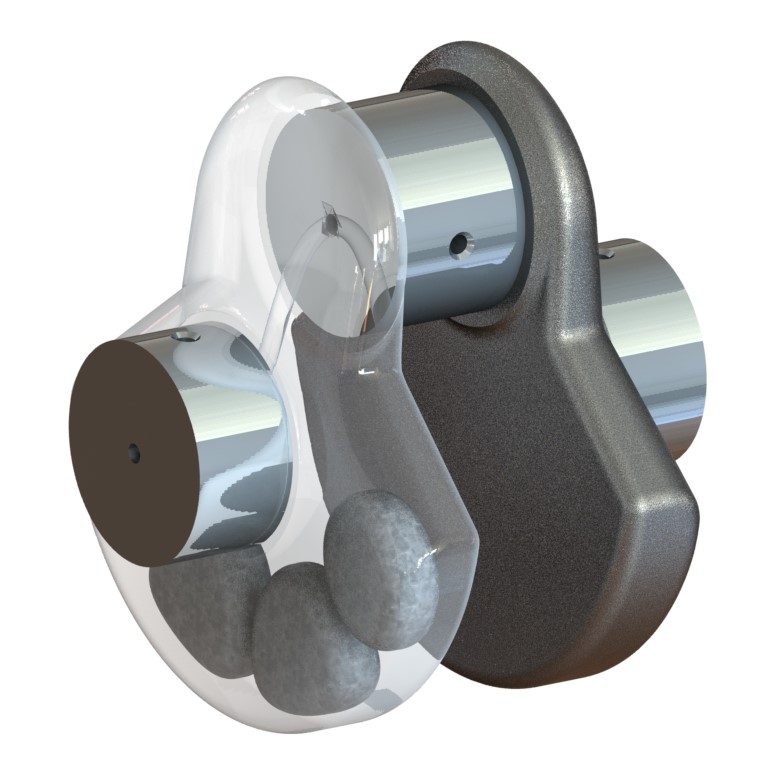 AM Dampening Element ©Fraunhofer IAPT AM Dampening Element ©Fraunhofer IAPT
Design for AM is mandatory for additive serial production In order to identify the economic benefit and customer advantage with Additive Technologies it is mandatory to consider the geometrical freedom as well as the manufacturing restriction from the beginning of the design process. One example is the integration of complex biomimetic structures and their transformation to manufactural shapes. For example, structural optimization and biomimetic principles allow to reduce the weight and cost of part of about 30 %. However, reducing weight with structural optimization is just a start. New design approaches for AM are developing Other new design approaches for AM like generative design, heat exchange, multi-physical design or vibration damping are latest trends in the AM design community. They promise to increase the effectiveness of AM parts while allowing the technology to conquer new fields of application.
With all the technical progress, it is necessary to develop new software and technology skills. For many companies and individuals building up these specific new competencies is a major challenge. The additive academy is facing this challenge with dedicated training programs and events. Join the Design for AM conference on May 27th, 2021 The next free online event will be the DfAM conference on May 27th. Experts from industry and research will present the actual developments in Design for Additive Manufacturing on this half-day event. They will talk about new AM functionalities, cost reduction, biomimetic design and the progress of additive design software. For further information and free registration, please visit http://dfam-conference.com/
Printing via 3DPrint.com | The Voice of 3D Printing / Additive Manufacturing https://3dprint.com April 28, 2021 at 10:24AM
0 Comments
https://ift.tt/32T4vDo
Talinolou https://ift.tt/2RaQWNe Talinolou is a Swiss-based printmaker and illustrator. After partaking in an apprenticeship as a graphic designer, and conducting an internship in Amsterdam, in 2019 Talinolou started studying for a diploma in Switzerland. However, when in Ppring 2020 Covid hit the world and the first lockdown came, she used the new time she had and started making linocuts.
Whilst in quarantine for 10 days in December 2020, Talinolou began experimenting with Procreate. She continues to use this when designing, and has now made the switch from paper sketches, to digital, loving the combination of digital and analogue techniques.
Printing via People of Print https://ift.tt/2DhgcW7 April 28, 2021 at 09:47AM
https://ift.tt/3u232Xt
FIT and Turkish Aerospace Partner to Advance 3D Printing for Aerospace Parts https://ift.tt/2QH7TyC Germany’s 3D printing service provider FIT Additive Manufacturing Group, and Ankara-based company Turkish Aerospace signed a memorandum of understanding (MoU) to advanced 3D printing technology and products. The business partnership will provide the basis to optimize the design and manufacturing processes of innovative structural parts for aircraft, drones, and satellites that cannot be produced through conventional manufacturing techniques. As a result, the two companies will have access to more high-quality components and spare parts while keeping costs down. Through this new collaboration, FIT and Turkish Aerospace will actively cooperate in their headquarters in Lupburg and Ankara, respectively, on topics like certification, manufacturing, and development of new additive manufacturing (AM) technologies. The list of research priorities includes technology development, evaluation of AM processes, engineering proficiency, and qualification of materials. The agreement signed on April 22, 2021, by FIT Founder and CEO Carl Fruth and Turkish Aerospace President and CEO Temel Kotil, seal a deal that promises to quickly implement high-tech part production for the aerospace sector. For Fruth, the partnership will allow FIT to increase its expertise in aerospace. While Kotil added that since both companies have been working together on joint projects for years, it is “a privilege” to develop and create a cooperation with FIT. Kotil also suggested that the firm is committed to ensuring customers can access the complete manufacturing process chain using additive technologies within global standards. 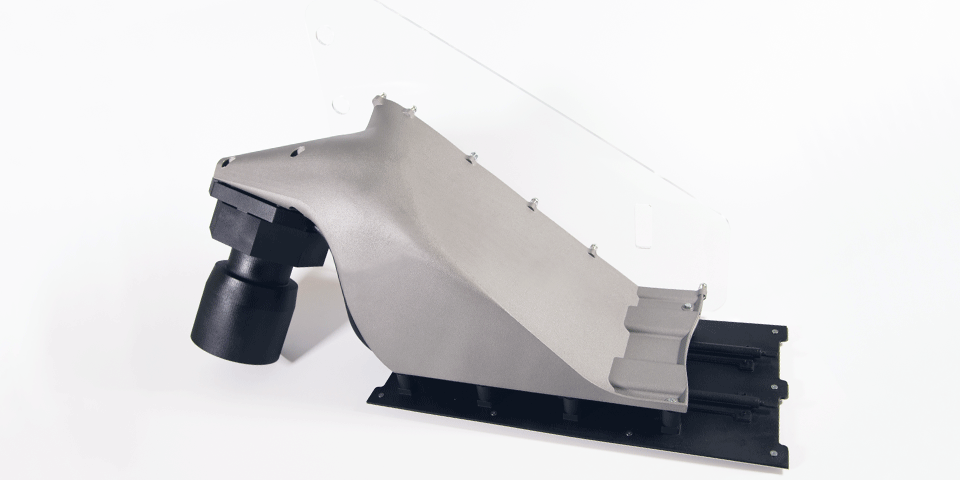
Star tracker bracket as example of successful cooperation in the past. Image courtesy of FIT AG/Lisa Kirk. Following up on previous joint projects, this international cooperation agreement will further unite the two companies’ ambitious intention to expand R&D efforts for rapid development of aerospace technologies. Turkish Aerospace has extensive experience in aerospace manufacturing, while FIT will contribute its know-how of AM and additive design. Also part of the project is FIT’s subsidiary FIT Production, an ISO-9100 certified company for aerospace that specializes in additively manufacturing parts and tools and ambitiously works on further certifications to establish itself as an important partner in the sector. Previously, FIT and Turkish Aerospace had developed a new type of mechanical component for next-generation satellite platforms and continue to be active partners in European Union (EU)-funded research programs, including a collaborating on microsatellites. Additionally, FIT provides machine capabiliites to doctoral students at Gazi University’s Additive Manufacturing Technologies Application and Research Center (EKTAM) in Turkey, who recently received a €2.39 million award by the EU’s Contribution Fund to Scholarship Programs (COFUND) to study advanced materials and manufacturing technologies. Quote request Are you looking to buy a 3D printer or 3D scanner? We're here to help. Get free expert advice and quotes from trusted suppliers in your area. Powered by Aniwaa 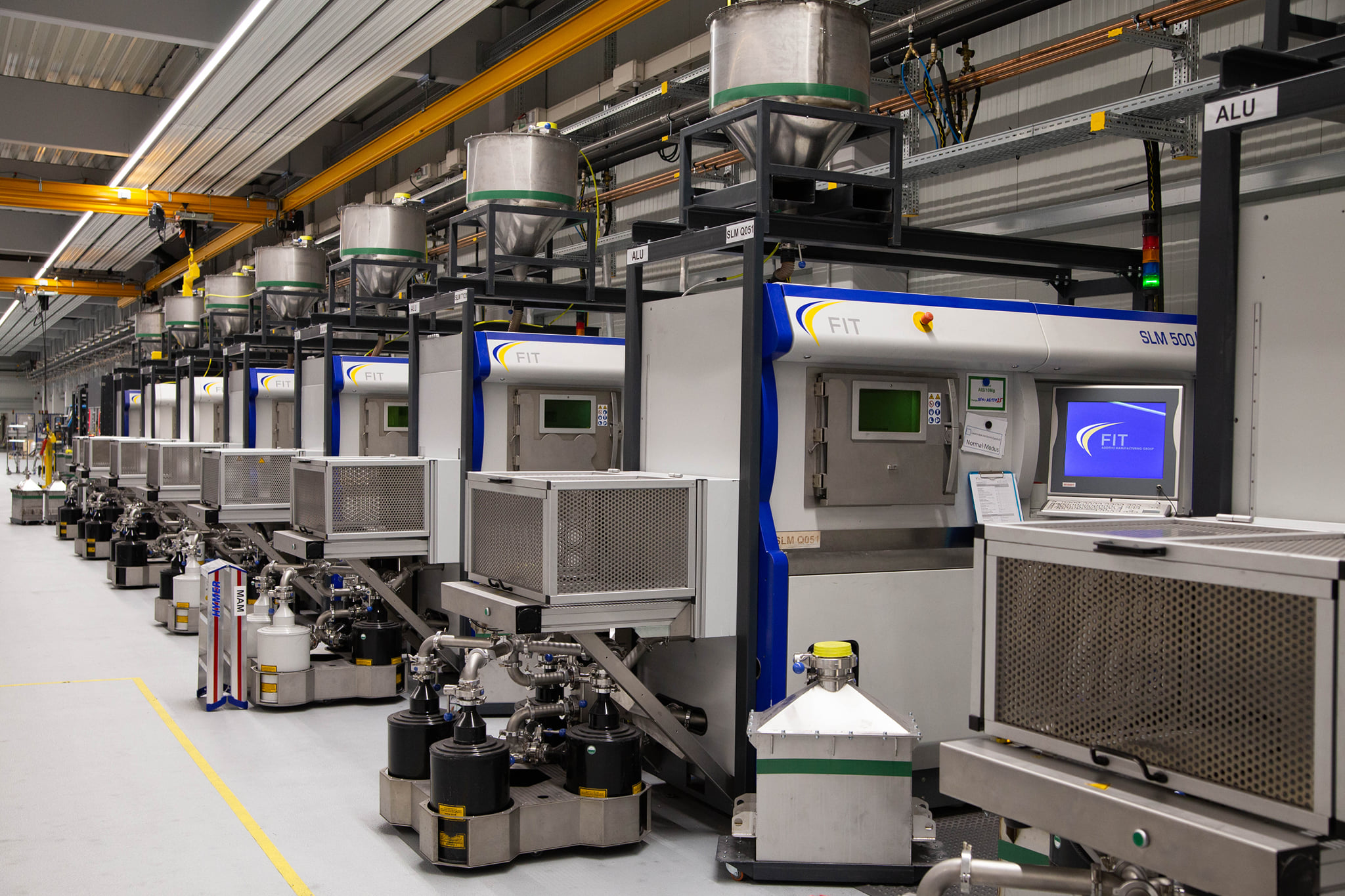
FIT Additive Manufacturing Group at its headquarters in Lupburg, Germany. Image courtesy of FIT via Facebook. The aerospace and aviation industry has been one of the biggest adopters of 3D printing technologies. Additively manufactured complex geometries for engine or turbine parts are typical examples of what the technology can do to disrupt an industry while boosting efficiency and saving money. Moreover, industrial 3D printing can do a lot to reduce the overall weight of components, resulting in competitive advantages such as lower fuel consumption and reduced emissions and higher performance in terms of flight duration and payload. 
Turkish Aerospace develops the Anka, a family of unmanned aerial vehicles (UAV) for the Turkish Armed Forces. Image courtesy of Turkish Aerospace.
As one of the pioneering industrial partners for AM, FIT focused on developing and manufacturing prototypes, production aids, 3D printed spare parts, or additively manufactured final components for a wide range of customers for 25 years. From product design to construction and manufacturing to post-processing, the AM experts offer the entire 3D printing value-added chain to its customers. To meet the growing demand in the market for high-quality products, FIT has seriously invested in 3D printing systems and materials for its headquarters in the Bavarian city of Lupburg. The business has also expanded its joint ventures in other countries to open up more additive manufacturing markets, such as in Russia, Romania, Italy, Japan, and the Czech Republic. Turkish Aerospace has lately begun to use 3D printing technologies for parts and products. For example, the company produced and qualified satellite structures using 3D printing technology, adding a new production model to its indigenous aviation and space ecosystem. The new cooperation with FIT could expand the firm’s use of 3D printing into new structures, opening further opportunities for more complex part creation and faster production times. Printing via 3DPrint.com | The Voice of 3D Printing / Additive Manufacturing https://3dprint.com April 28, 2021 at 08:36AM
https://ift.tt/3xuNUUC
Schiner 3D Repro Prints Accurate Human Body Models for Medtech Companies https://ift.tt/3dZPGFv Austrian printing company Schiner 3D Repro has started providing medical technology companies with hyperrealistic printed digital anatomy models, made via their Stratasys J750 Digital Anatomy. It’s one of the latest use-cases for the popular biomedical printer. 
The J750 Digital Anatomy 3D Printer.
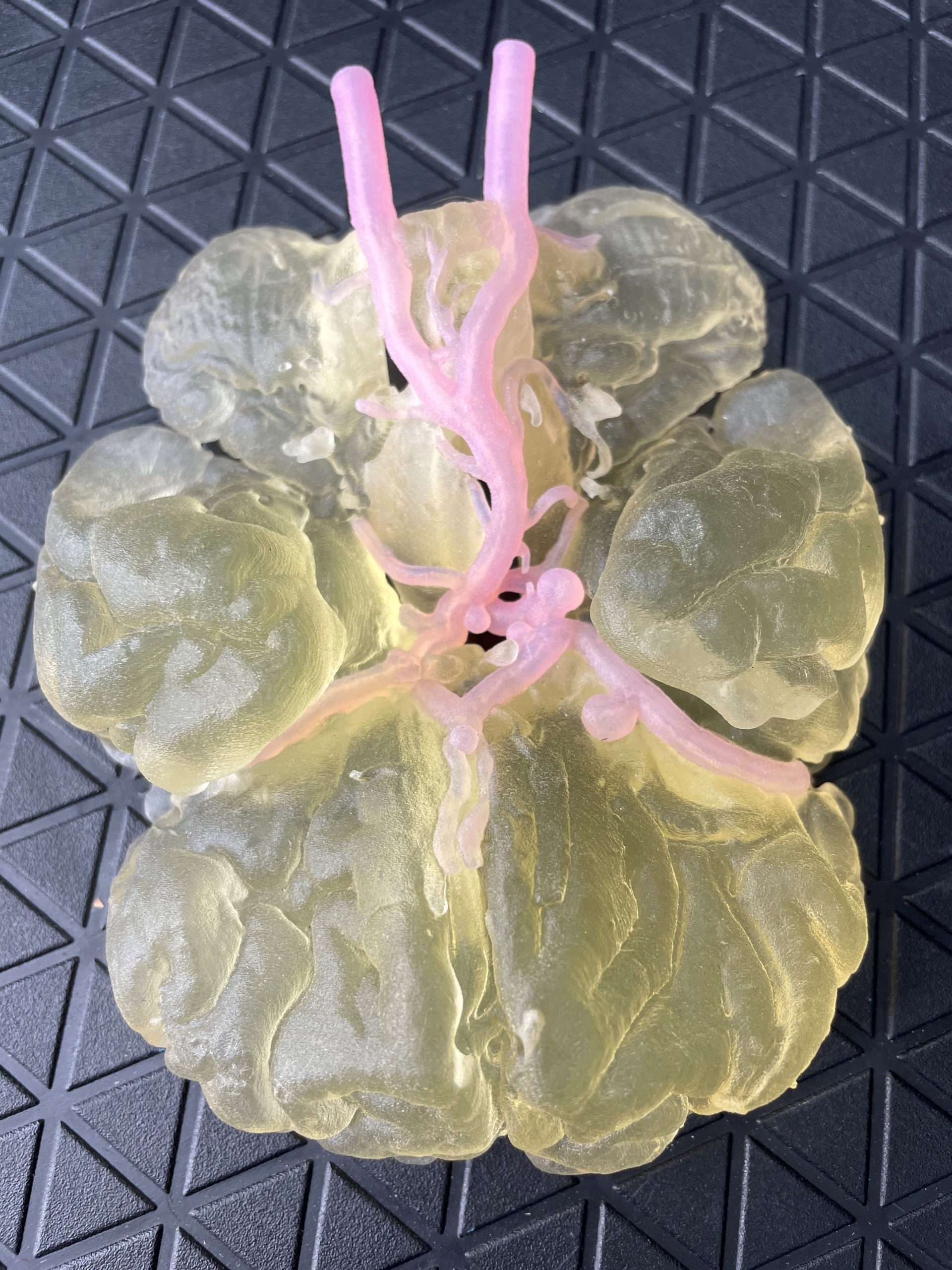
A model of a brain base, printed in TissueMatrix, on the Digital Anatomy printer (Image via Schiner).
Since their acquisition of the J750, Schiner has been getting a significant volume of orders for biomechanical models, from catheter models to complex brain models for microscope training. In one recent project, they printed a vascular model for a customer who wanted to test out a product related to blood flow. “The vascular structures were only 1.5mm in diameter, which would literally be impossible to produce using other technologies,” said Oliver Simon, Project Manager of Schiner’s Medical Branch. “Thankfully we were able to 3D print the model for the customer, which opens up additional opportunities in design validation and optimization of the medical device for them.” Because of this increased demand from medical technology companies, and ongoing contracts with Austrian and German universities, Schiner 3D Repro expects its medical branch of its business to grow up to 30% this year. Printing via 3DPrint.com | The Voice of 3D Printing / Additive Manufacturing https://3dprint.com April 28, 2021 at 08:06AM 3D Printing News Briefs April 28 2021: Ural Federal University Criar Designs Oryx Additive4/28/2021
https://ift.tt/3u4geeu
3D Printing News Briefs, April 28, 2021: Ural Federal University, Criar Designs, Oryx Additive https://ift.tt/3t0yvHW In this edition of 3D Printing News Briefs, we’ve got physicists 3D printing magnets, a new company 3D printing custom silicone sex toys, and a more ergonomic water-pressure cleaning station for support removal. Read on for all the details! 3D Printing Magnets and Magnetic Systems 
3D printing a backing for a part at UrFU Laboratory. (Image: Victoria Maltseva, UrFU) A team of physicists at Russia’s Ural Federal University (UrFU) is working on 3D printing magnets, soft magnetic elements, and magnetic systems that have properties built for applications in smartphones, outer space, and even the medical field, for placing stents or unclogging arteries. The goal was to start out printing only small magnets, and they used a 3D printer model from Germany that prints using metal powder. To test out the accuracy of the printer, the scientists printed three small sample parts, the first of which was sent back to Germany for some additional equipment configuration, though the other two seemed to come out okay. Right now, the prints still need post-processing, so that the scientists can magnetize the parts. The team is now working to “teach” the printer to work with select powders in order to immediately produce magnets with specific properties in the future.
3D Printing Customized Adult Novelty Items 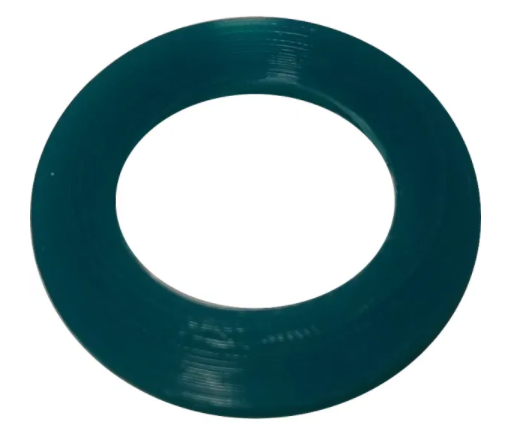
Cock ring Criar Designs, a new company based in the US, is shaking things up in the bedroom, using 3D printing and mass customization to create adult novelty items, also known as sex toys, out of high-quality, skin-safe silicone. Rather than having to deal with the typical one-size-fits-all approach to sex toys, Criar Designs lets customers choose their preferred shape, width, girth, and length for several items, such as dildos and the above pictured cock ring. Customers can even have the company design a custom item based on their own submitted drawings or photos, and the company handles the design and printing process in-house in order to ensure quality. Additionally, Criar Designs partners with content creators to make unique novelty items in order to deliver what it calls “the ultimate subscriber experience.”
Oryx Additive Introduces Ergonomic Solution for 3D Print Finishing
Arizona-based Oryx Additive, a spinout of PADT that specializes in designing, developing, and manufacturing AM finishing and secondary processing equipment, has launched its latest finishing solution for 3D printed parts—the patent-pending scaWaterjet, a more “ergonomically considered solution” to scale up support removal using water jet spray technology. Designed for comfort as well as productivity, the water-pressure cleaning station can rapidly remove support material from multiple 3D printed models, thanks to its bulk and/or fine detail jetting options. Depending on their own comfort level, users can choose to sit or stand when using the new scaWaterjet, and other features include an LED-illuminated work area, dual filtration, easy access to the pump and holding tank, a tilted clear-view operation, and operations for both stand-alone recycle tank and direct plumbed water source.
You can purchase Oryx Additive’s new scaWaterjet for $6,500 via its online store, or reseller network. Printing via 3DPrint.com | The Voice of 3D Printing / Additive Manufacturing https://3dprint.com April 28, 2021 at 07:36AM
https://ift.tt/3u1WCaC
Spanish Police Seize Covert 3D Printed Gun Workshop with Possible Nazi Leanings https://ift.tt/2QDnkbd Spanish police officers revealed details of the country’s first bust on a workshop that used 3D printers to create gun receivers. Court documents released on April 18, 2021, describe details of the investigation that led to the arrest of a 55-year-old man using 3D printing to create homemade firearms. Officers dismantled the workshop on the island of Tenerife on September 14, 2020, and seized two 3D printers, filament, computers, 3D printed gun receivers, chemicals, over 30 terrorist guidebooks, as well as weapons like a katana sword and taser guns, and objects with Nazi symbols. After investigators discovered that a man had purchased firearms and explosive substances online, they traced the IP to four properties in Tenerife. In the first operation of its kind, officers from the National Police teamed up with other Spanish agencies and local investigators to determine the exact location of what they suspected could be an illegal online firearm operation. During one of the raids, they uncovered a clandestine workshop and even found a fully operational Prusa 3D printer adding the final layers of a gun receiver. Since the team also discovered different chemical substances that could have been used to elaborate explosives, they required the intervention of a specialized explosives unit that employs chemical and biological defense equipment. Known as TEDAX, short for Technician Specialist in Deactivation of Explosive Artifacts, the Spanish group of trained military and police personnel made sure there were no chemical risks at the property. Officers arrested the owner of the place, a Spanish man who worked at a nursery home in Tenerife at the time and has ties with the Venezuelan military. He is now being charged for allegedly participating in crimes related to the illegal possession of weapons and explosives. 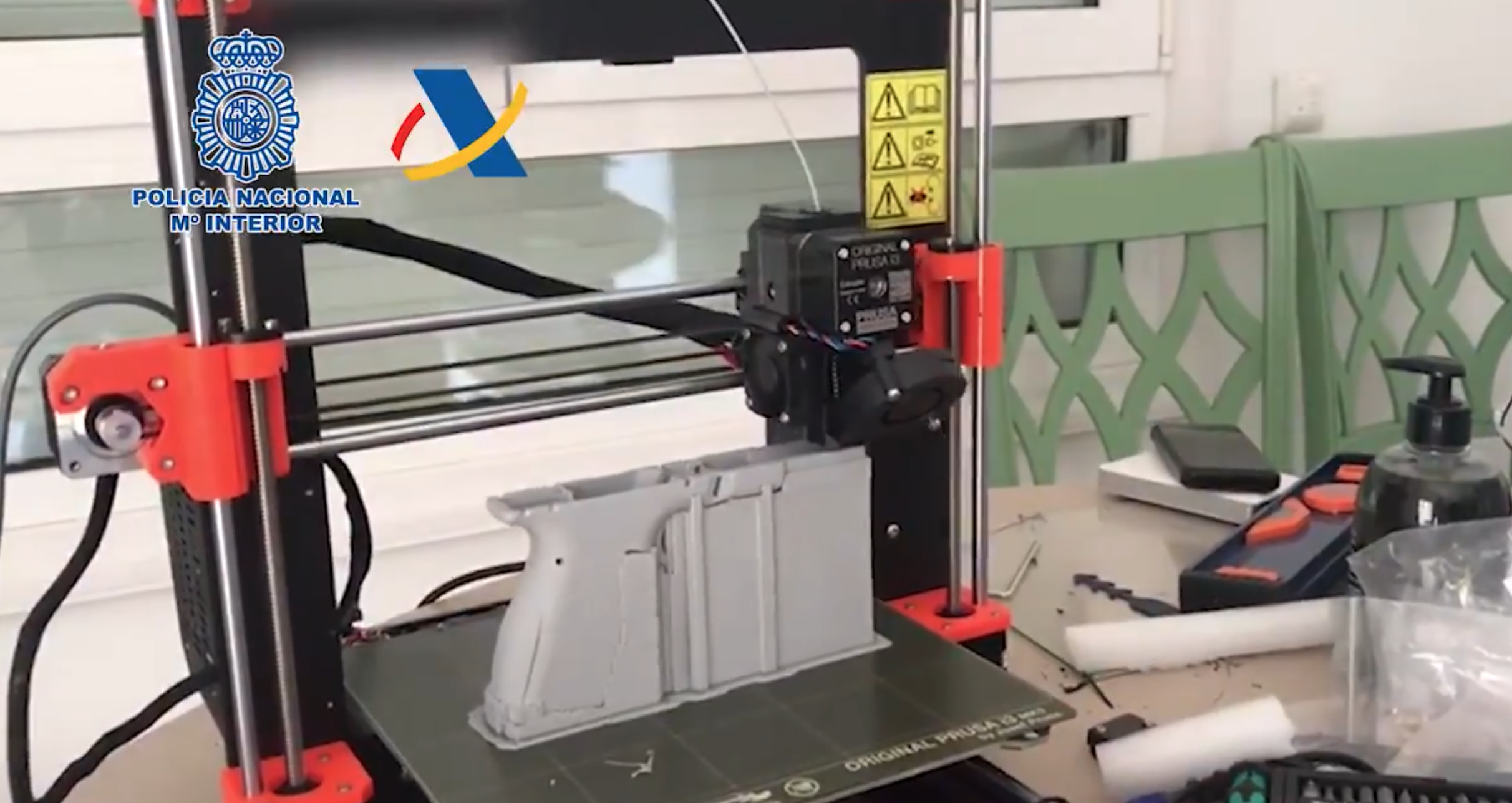
A clandestine workshop in Spain used 3D printing to create firearm frames. Image courtesy of Spanish National Police. According to the police report, the person taken into custody had an unusual array of machines, guns, gun parts, and weapons. Police found two 3D printers, 11 filament spools, several computer devices used for manufacturing gun parts, 19 3D printed handgun receivers, and several other gun parts like chargers, silencers, and handgun slides. The agents also located two taser pistols, five knives, a machete, and a katana, along with urban guerrilla and terrorist manuals to make explosives. Along with the arsenal, they found various objects with supremacist symbols, including a pistol holster with the emblem of the German National Socialist Army. Investigators determined that the detainee had many critical pieces that could be used to assemble 3D printed gun receivers for small firearms. In a Twitter post, the National Police showed a video of the TEDAX team entering the clandestine workshop wearing protective equipment against chemical threats encountered on site. They also show a Prusa 3D printer churning out almost an entire firearm frame in real-time, as well as dozens of gun parts and weapons, fundamental pieces like an Airsoft AR-15 assault rifle replica, a long-barreled carbine rifle with scope, several metal tubes to make cannons, a holographic weapon sight, a plastic mold to make frames and various pieces from small weapons. 3D-printed guns have gotten a lot of attention since American libertarian Cody Wilson printed the first single-shot handheld gun in 2013. Back then, the desktop 3D printers used for the job were not as sophisticated as they are today, and the plastic could barely withstand the pressure generated from one or two shots. As 3D printing technology matured, 3D guns did too. Moreover, blueprints for 3D-printed firearms are widely available online. WIdespread access to CAD files proves 3D-printed guns built at home worry authorities in many countries, especially when used to manufacture and sell these so-called “undetectable firearms.” 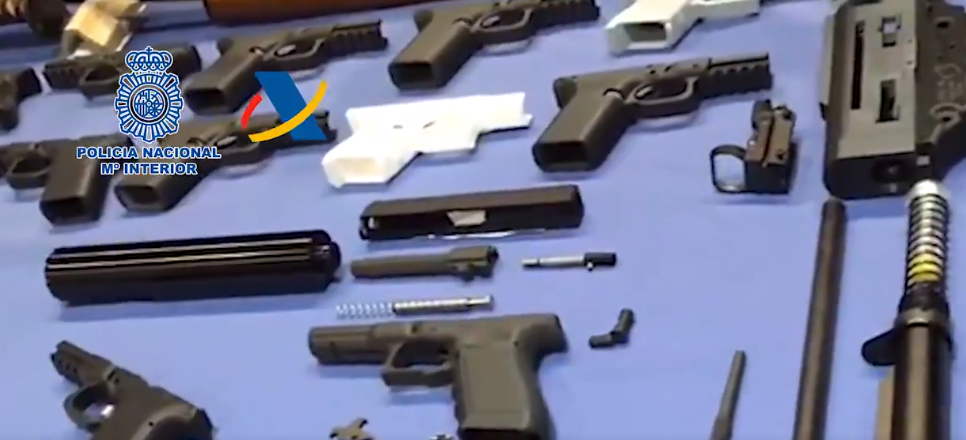
A clandestine workshop in Spain used 3D printing to create firearm frames dismantled. Image courtesy of Spanish National Police. In the last few years, countries like the United Kingdom and Australia have banned the manufacturing of guns and gun parts without government approval, which includes 3D printed weapons too. In the United States, legislation surrounding 3D weapons is still ongoing. Both sides have put forth substantive arguments for and against allowing the manufacture of 3D guns at home for personal use. In Spain, there is no particular legislation that deals with 3D-printed guns yet, but after this news, things might change. Especially since the National Police cited the 2019 German terrorist attack against a Jewish synagogue where an anti-Semitic individual used weapons, explosives and had 3D printed a rifle at home, as a warning against allowing 3D printed technology to aid in the proliferation of firearms that could end up in the hands of terrorists. Immediately after the attack, the German legislature passed stricter gun control regulations. Should we expect Spain to follow in the country’s footsteps in an attempt to curtail the illegal manufacture and sale of 3D weapons? Considering the news came out just a few days ago, and the alleged suspect has been detained, we will probably have to wait before learning about any or no potential changes in firearm legislation. Printing via 3DPrint.com | The Voice of 3D Printing / Additive Manufacturing https://3dprint.com April 28, 2021 at 07:06AM Nano Dimension Makes Second Acquisition in a Week https://ift.tt/3eyzXwk Electronics 3D printing company Nano Dimension is ramping up industry 4.0 solutions in digital fabrication applications rather than building machines as capital equipment. Working towards this goal, the Israeli company acquired two startups in just one week. On April 20, 2021, it announced the takeover of DeepCube, a machine and deep learning technology startup, followed by NanoFabrica, a developer of precise 3D-micro-printing technology. Nano Dimension has committed roughly $125 million in acquisitions in only seven days and has kept the investment within its country’s borders, as both startups are also based out of Israel, yet, several financial experts reported a few red flags with the company’s finances and management team. Nano Dimension is trying to fill a void in micro-printing machine learning (ML). The company claims the new deal with NanoFabrica will provide Nano Dimension the power of its additive manufacturing (AM) solution that uses digital light processing (DLP) for applications that require extremely high precision – between one to two microns. Even the two companies’ target markets are identical and include aerospace, aviation, high-end electronics and automotive, medical, and optics. Founded in 2016, NanoFabrica has been poised to become a prominent player in the field of precision digital manufacturing with industrial AM systems considered to have an unprecedented micron-resolution with ultra-fine features, details, accuracy, and precision, enabled by its innovative Micro Adaptive Projection technology. Designed to allow digital mass manufacturing of precise and complex parts, NanoFabrica’s system and machines could potentially transform businesses through micro-part manufacturing innovation. The company claims its technology already equips users with ultra-precise high-performance parts for semiconductors, optical and medical devices, and ready within single hours at a fraction of their current cost, combining semiconductor lithography and advanced optics with 3D printing. But Yoav Stern, CEO of Nano Dimension, says he wants to go further by integrating NanoFabrica’s technology into Nano Dimension’s electrical capability and deliver advanced micro-mechanical electrical parts. He also claims that very few companies can do what NanoFabrica has achieved and hopes the combined technology will give his company a competitive edge in an emerging segment. More importantly, Stern highlighted that NanoFabrica’s machines fit the larger picture of his firm’s vision to drive a revolution in artificial intelligence (AI)-distributed digital fabrication applications and ultra-high precision within additively manufactured electronics. Eventually, the end goal is to reach a capability for maintaining a digital inventory of high-end printed circuit board devices, micro-mechanical parts, and the firm’s trademarked high-performance electronic devices (Hi-PEDs).
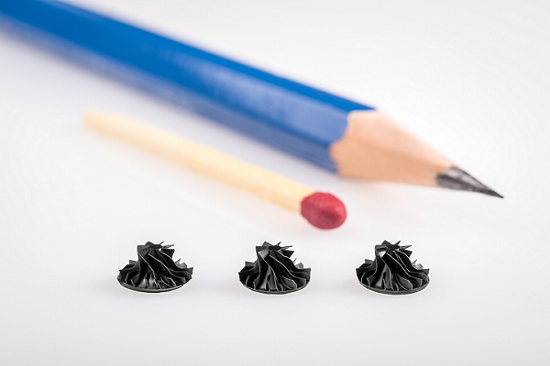
An industrial impeller produced on the Nanofabrica Tera 250.
Earlier in April, Nano Dimension announced it had signed a definitive agreement to acquire DeepCube for $70 million. The startup founded in 2017 by Eli David and Yaron Eitan applies numerous patented algorithms to improve data analysis and deployments of advanced deep learning-based AI systems. The machine learning application offers faster and more accurate training of deep learning (DL) models and drastically improves inference performance and real-time metrics. The startup says its proprietary framework can be deployed on top of any hardware. As with NanoFabrica, Stern believes that by acquiring DeepCube, Nano Dimension will supply a next-generation solution to fill a void in the semiconductor industry, which he claims is “hovering” over the printed circuit board fabrication and assembly industries. He expects to establish an AI/ML “distributed digital fabrication application” to enable a totally environmentally and ecologically friendly digital control of the supply chain for Hi-PEDs. In fact, Nano Dimension machines shipping today (and especially next-generation devices which are under development) are slated to be smart edge devices in what the company is calling a “digital-fabrication-neural-network” solution. Until May 2020, Nano Dimension was a startup trading on the Tel Aviv Stock Exchange (TASE) before delisting its shares to trade on the Nasdaq under the ticker symbol “NNDM.” The move coincided with an uptick in interest in tech companies, especially after the ongoing COVID-19 pandemic disrupted supply chains worldwide, boosting interest in adopting 3D printing technologies. Business site Calcalist reported early on in 2021 that Nano Dimension had ballooned to a valuation of $1.4 billion after completing five funding rounds that amassed a massive total of $922 million in two months alone, even though the company hasn’t generated more than $4 million in revenue in 2020, and was down 50% from 2019. The latest acquisitions might confirm just how much the company wants to strengthen its position as a leader in smart, ultra-high precision manufacturing. However, the financial site InvestorPlace has disclosed that Nano Dimension is short on funds to make the deals happen. Specifically, InvestorPlace notes that “DeepCube’s Executive Chairman and DeepCube’s Chief Technology Officer are both directors of Nano Dimension! Thus, this is a clear related-party transaction.” The business is currently selling more stock to the public, which the experts at InvestorPlace consider a “red flag.” Additionally, according to Edwin Dorsey, “Nano Dimension’s current CEO has been previously accused, but never convicted, of an ‘extortion attempt‘ and the company’s former Chairman was arrested on charges of money laundering, aggravated fraud, and securities violations.” These potential issues with the firm and its management team is not great news. Furthermore, many financial experts thinking the company stock is significantly overvalued has made investors wonder whether the technology and the firm’s revenues will ever take off. Printing via 3DPrint.com | The Voice of 3D Printing / Additive Manufacturing https://3dprint.com April 27, 2021 at 07:24PM Stratasys Reveals Three New Systems with Three Different 3D Printing Technologies for End-Use Parts4/27/2021 Stratasys Reveals Three New Systems with Three Different 3D Printing Technologies for End-Use Parts https://ift.tt/3aMhTNU Last month, Stratasys (NASDAQ: SSYS) announced that it was releasing its new H Series Production Platform line of printers, based on powder bed fusion (PBF) technology, or, more specifically, its industrial-grade Selective Absorption Fusion (SAF) technology. This announcement took place not too long after the polymer 3D printer leader completed its acquisition of Origin, the open 3D printing startup responsible for developing resin-based Programmable PhotoPolymerization (P3) technology. Both of these recent announcements make even more sense now as the company reveals its latest news: three new 3D printers were launched today, which collectively address a sizeable chunk of the multibillion-dollar market opportunity that is end-use parts 3D printing.
These three new printers, which use three separate technologies, will work to speed up AM adoption for low- to mid-volume production. Reporting better than expected fourth quarter (Q4) and full-year 2020 financial results in March, Stratasys stated that more than 25% of last year’s revenue resulted from manufacturing-related applications. With this aggressive strategy move, the company is estimating that the revenue growth from its continued manufacturing applications will “outpace other segments.” 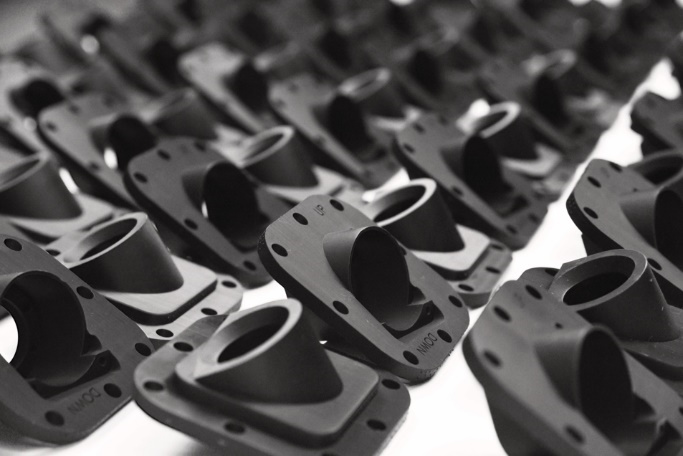
The Stratasys Origin One 3D printer is designed for mass production applications, such as these camera housings. The first of its three new printers is the Stratasys Origin One, meant for production-scale printing of end-use manufacturing applications, like the detailed camera housings above. The system uses proprietary P3 technology, and cloud connectivity ensures that customers quickly receive available feature improvements. In what Stratasys calls a “software-first architecture,” the printer is able to fabricate parts, at volume, using a variety of open, certified third-party materials that are said to offer excellent repeatability, accuracy, finish, detail, and time to part. Hardware upgrades, paired with P3 technology, made it possible for Stratasys to improve nearly every part of the updated system.
Based on the company’s internal estimates, it appears that a $3.7 billion market opportunity for the year 2025 is possible for production applications for the Origin One, such as dental, medical, automotive, tooling, and consumer goods. Next month, Stratasys will begin taking orders for the printer, related software, and post-processing equipment through its worldwide channel. 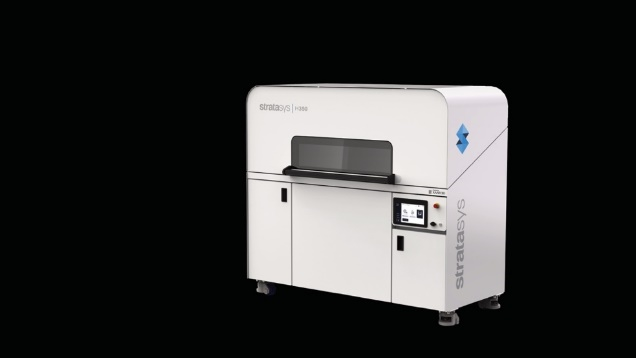
Powered by SAF technology, the new H350 printer is designed to give manufacturers production consistency, a competitive and predictable cost per part, and complete production control for volumes of thousands of parts. The next printer that Stratasys revealed today is the SAF-powered H350, the first in its new H Series Production Platform. Designed to offer complete production control, consistency, and a competitive yet predictable cost per part, the H350 includes roughly a dozen parts 3D printed using SAF technology. The system has actually been in beta testing since earlier this year with contract manufacturers and service bureaus in Israel, Europe, and the US, though it’s expected to ship to more customers in Q3 of this year. One of the beta testers is Stratasys Direct Manufacturing, which is now selling parts on-demand that were printed on the new H350. Stratasys says that this new printer offers production-level throughput for end-use parts, such as cable holders, connectors, covers, ducting, electronics housings, and hinges.
Stratasys is using certified third-party materials for its H Series printers, the first of which is its bio-based High Yield PA11, a plastic made from sustainable castor oil. 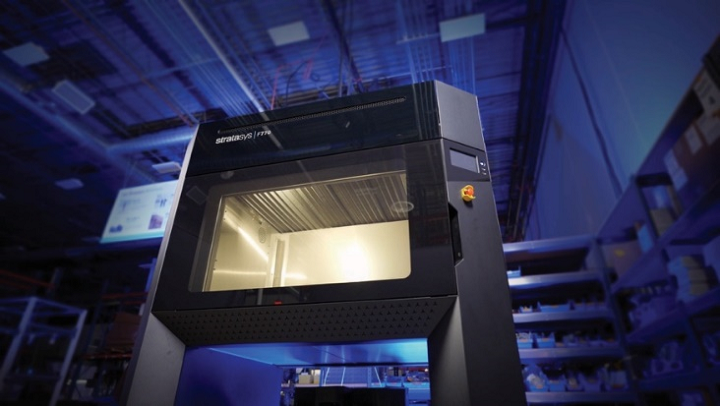
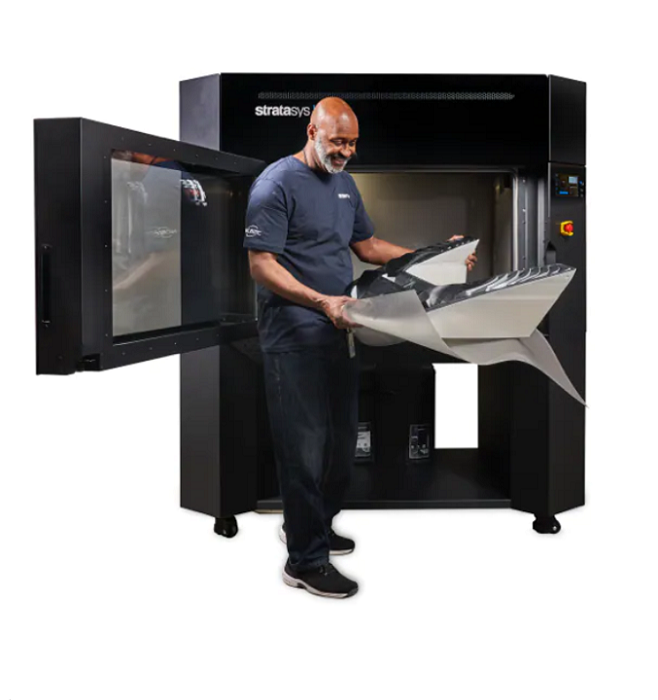
New Stratasys F770 installed at Sub-Zero Group, a luxury appliance manufacturer, for 3D printing very large parts. The new Stratasys F770 3D printer seems to be a firm reminder that the company has a well-earned reputation for dependability and reproducibility with its industrial-grade fused deposition modeling (FDM) technology. Featuring a build volume of over 13 cubic feet, this new FDM system was made for printing big parts The new F770 costs less than $100,000, and features what Stratasys calls the market’s longest fully heated build chamber, which will be ideal for printing jigs and fixtures, tooling applications, and prototypes with standard thermoplastic materials. Post-processing is said to be easier on this system with soluble supports, and the MTConnect standard and GrabCAD SDK allow for enterprise connectivity. Doug Steindl, the corporate development lab supervisor for Wisconsin-based luxury appliance manufacturer Sub-Zero Group Inc., says that the new F770 enables them to keep the 3D printing of large parts in-house, which saves 30-40%. The company is a beta customer for the new 770 3D printer.
As mentioned in our most recent 3D printing webinar and virtual events roundup, Stratasys held a live reveal earlier today for its three newest systems. If you missed it, no worries—a replay will be available at 3 pm EST if you’d like more information all the new 3D printers and their respective technologies. (Source/Images: Stratasys) Printing via 3DPrint.com | The Voice of 3D Printing / Additive Manufacturing https://3dprint.com April 27, 2021 at 12:54PM USPS accelerates key network infrastructure investments ahead of 2021 holiday season https://ift.tt/3bxIa3X April 27, 2021 U.S. Postal Service Accelerates Key Network Infrastructure Investments to Meet Customers’ Evolving Mailing and Shipping Needs Ahead of 2021 Holiday Season
WASHINGTON, DC — As part of its 10-year plan to achieve financial sustainability and service excellence, the Postal Service announced today key network infrastructure investments to meet the evolving mailing and shipping needs of American public and business customers ahead of the 2021 holiday season. These initiatives and investments include:
“The Postal Service’s future depends on its ability to adapt to the evolving demands of our customers,” said Postmaster General and CEO Louis DeJoy. “These initiatives and investments give our employees the infrastructure and technology they need to serve today’s e-Commerce marketplace reliably and efficiently. This optimization will lead to more efficient and reliable performance in our plants, which in turn will enhance our ability to predictably and reliably deliver mail to the more than 161 million addresses we serve each day.” Employee impacts resulting from these operational changes will be handled in accordance with our negotiated contract provisions and these impacts will not result in employee layoffs. With full implementation, the Postal Service’s 10-year plan reverses a projected $160 billion in losses over the next ten years. The Plan will spur cash flow and savings to make $40 billion in capital investments over the next 10 years – including $20 billion towards USPS’ mail and package processing network, facility upgrades and procurement of new processing equipment. Mail volume has declined by more than 39 billion pieces, or 23 percent, in the past 10 years and is continuing to decline. First-Class Mail has dropped 27 percent and single piece First-Class Mail — letters bearing postage stamps — has declined 41 percent during the same timeframe. The Postal Service has a national network of mail processing facilities that processes and sorts nearly 430 million pieces of mail and packages to 161.4 million addresses at least six days a week. In 2020, the Postal Service delivered more than 129.2 billion pieces of mail and packages to customers located in every state and territory, county, city, town and rural area in the nation. Additional information about the USPS 10-year plan can be found at usps.com/deliveringforamerica. ### Printing via USPS News https://ift.tt/2hH9aDC April 27, 2021 at 12:00PM 3D Systems Introduces 3D Printed Polymer-Metal Guides for MF Surgeries https://ift.tt/2R0Ot7Y 3D Systems (NYSE: DDD) has long been breaking ground in the personalized medicine space with its Virtual Surgical Planning (VSP), which can help reduce the amount of time that patients and surgeons are in the OR. Combining surgical simulation, medical imaging, and 3D printing, the process starts with the surgeon, who brings an initial surgical plan to an online meeting with one of the company’s biomedical engineers. They work together to simulate and develop the final procedure, resulting in a digital plan that is then transferred to the OR through patient-specific 3D printed surgical guides, models, and templates. 3D Systems’ VSP has been used in over 140,000 unique patient cases, and has received FDA market clearance for both its orthopaedic and craniomaxillofacial (CMF) solutions. Today, the company is announcing the latest addition to its VSP portfolio: patient-specific, occlusal-based Hybrid Guides for MF surgeries.

3D Systems’ Virtual Surgical Planning 3D Systems created this new VSP offering for maxillofacial and reconstructive surgeons and their patients as a direct response to customer feedback. VSP Hybrid Guides, which 3D Systems calls a “first-to-market” solution for MF surgery, enables accurate patient treatments by combining the softness of nylon with the strength of titanium into one guide, with “registration to the dentition” to be doubly sure of precise site visibility and placement. This new innovation really takes advantage of the best traits of each material. Nylon makes it possible to deliver tooth-based registration, while the titanium ensures that the guide is strong enough. To put the guides together, connection sites are used, which were built specifically to establish a good connection, and surgeons have the option to request patient-specific instruments that include several cutting and drilling locations on one occlusal-based guide. In using occlusal registration, VSP Hybrid Guides can potentially also be slimmer, which gives surgeons a better view of the surgical site and makes it easier to place the guide. 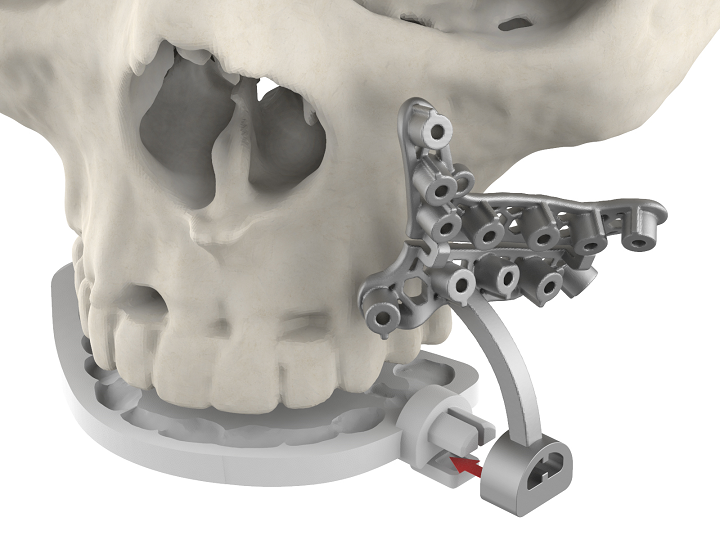
Slimmer profile guides provide easier placement in areas with limited exposure. The new VSP Hybrid Guides are printed on the company’s DMP Flex 350 and ProX SLS 6100 production-grade 3D printers, out of its LaserForm Ti and DuraForm ProX PA materials. This new offering is just the latest to come out of 3D Systems’ partnership with Stryker, as the two work together to offer innovative maxillofacial solutions: these new 3D printed hybrid guides are compatible with Stryker’s patient-specific Facial iD plating solutions.
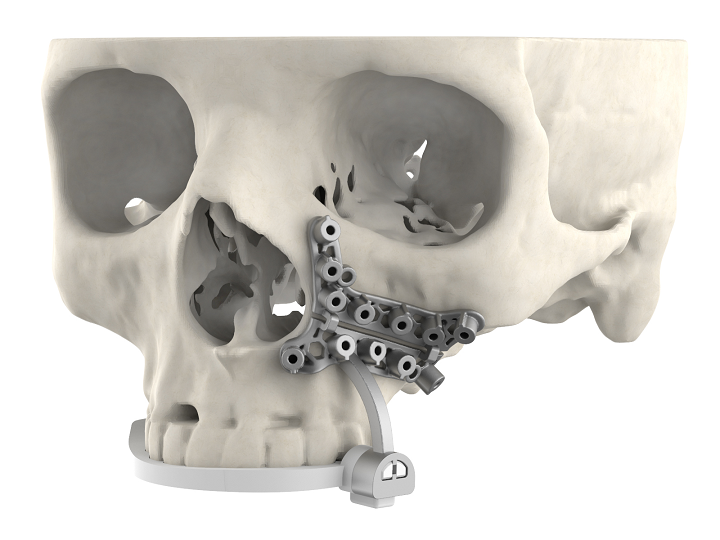
Easy-to-use connection sites, engineered with auditory and haptic feedback confirm proper connection of guides. With 3D Systems’ VSP platform now including the new 3D printed Hybrid Guides, along with its implant system and surgical planning capabilities, maxillofacial surgeons have access to a complete solution that can make patient-specific treatments simpler. The company is currently offering this new solution in a limited launch phase, with general surgical availability planned for next month. (Source/Images: 3D Systems) Printing via 3DPrint.com | The Voice of 3D Printing / Additive Manufacturing https://3dprint.com April 27, 2021 at 11:42AM |
Categories
All
Archives
April 2023
|


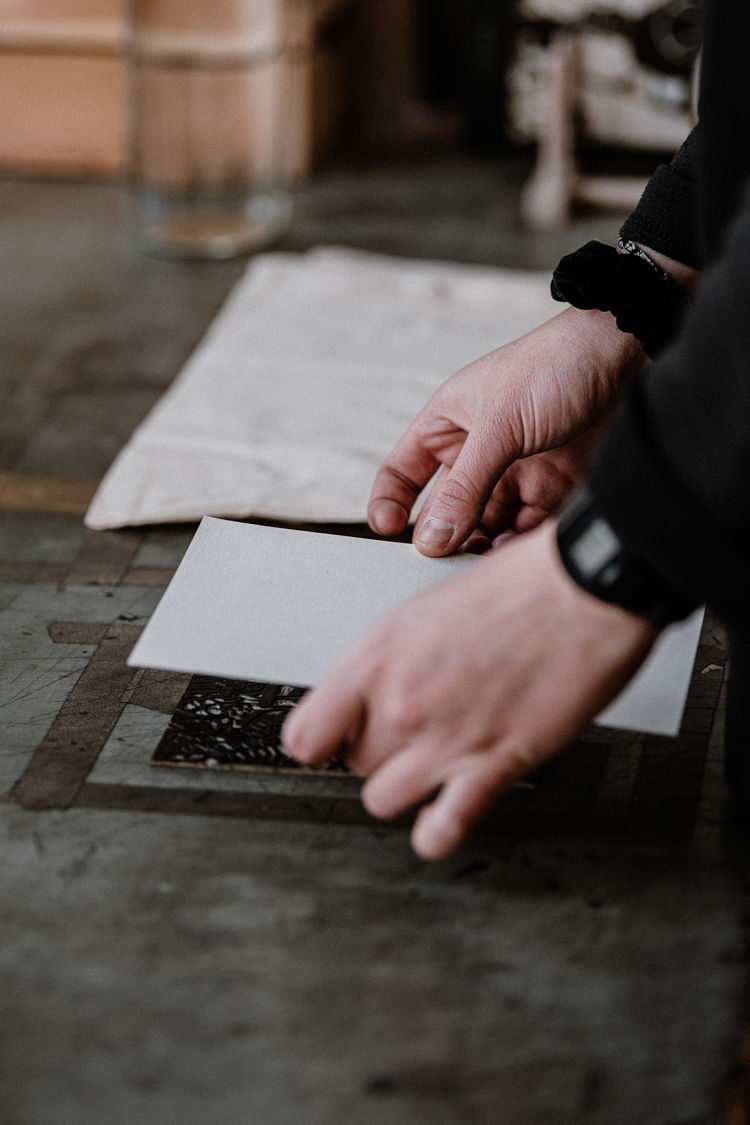
 Talinlou’s first project involved raising money for the Gorilla fund in Ugande which she had visited a year before. After enjoying the process of creating the prints, she started posting her creations online. Soon after, her prints started generating a lot of interest from her followers, so in May 2020 Talinolou set up her online store. She also started making shirts and tote bags decorated with her illustrations, and had the chance to work on the design of some wedding cards.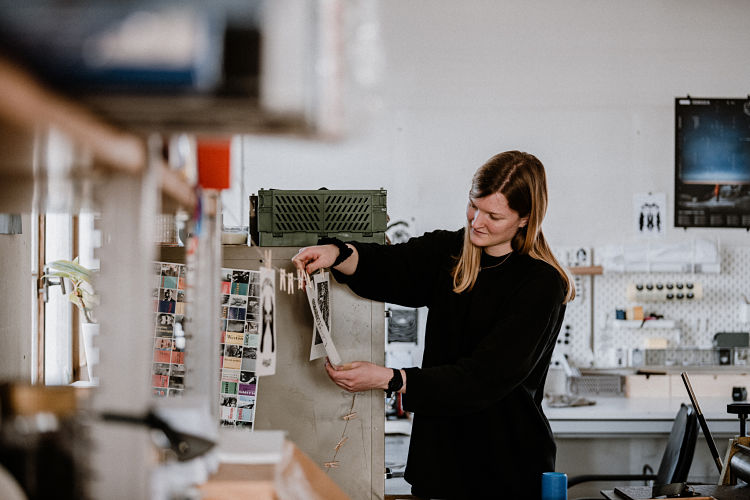

 Recently, Talinolou has been working on a series of 3D objects made from linocut prints. So far, she has made two little greenhouses, and a juice carton. Her work is inspired by the everyday and sometimes mundane things that surround her, as well as feelings and memories of places she misses. She is also currently producing a new range of t-shirts and hosting a linocut workshop at a school, teaching others about the technique and sharing her passion for it.
 Talinolou shares an atelier with 6 of her friends, who each work on separate projects with a variety of different materials. The purpose of their studio is to share knowledge and help each other out, spreading their love for creativity and printmaking.
 RSS Feed
